DMA 50 vs DMA 200:
The Secret Indicator Institutions Use to Predict Market Trends 📈
DMA (Daily Moving Average) represents the average price of a stock over a specific number of days. It smooths out daily price fluctuations and helps investors understand the underlying trend of the market.
For example, a 50 DMA calculates the average closing price over the last 50 trading days, while a 200 DMA calculates it over 200 trading days. This simple concept becomes extremely powerful when used correctly in trading and investing.

The calculation of DMA is straightforward and purely mathematical, yet its interpretation drives billions in market decisions.
DMA = Sum of Closing Prices (n days) / n
Where “n” can be 50 days, 200 days, or any time period depending on the analysis.
The difference between DMA 50 and DMA 200 lies in the time horizon they represent. Each serves a different purpose and is used by different types of market participants.
DMA 50
✔ Represents short to medium-term trend ✔ Reacts quickly to price changes ✔ Used by traders and swing investors
DMA 200
✔ Represents long-term trend ✔ Smooth and stable indicator ✔ Used by institutions and long-term investors
The 200 DMA filters out short-term fluctuations and provides a clear view of the broader trend, while the 50 DMA captures recent momentum.
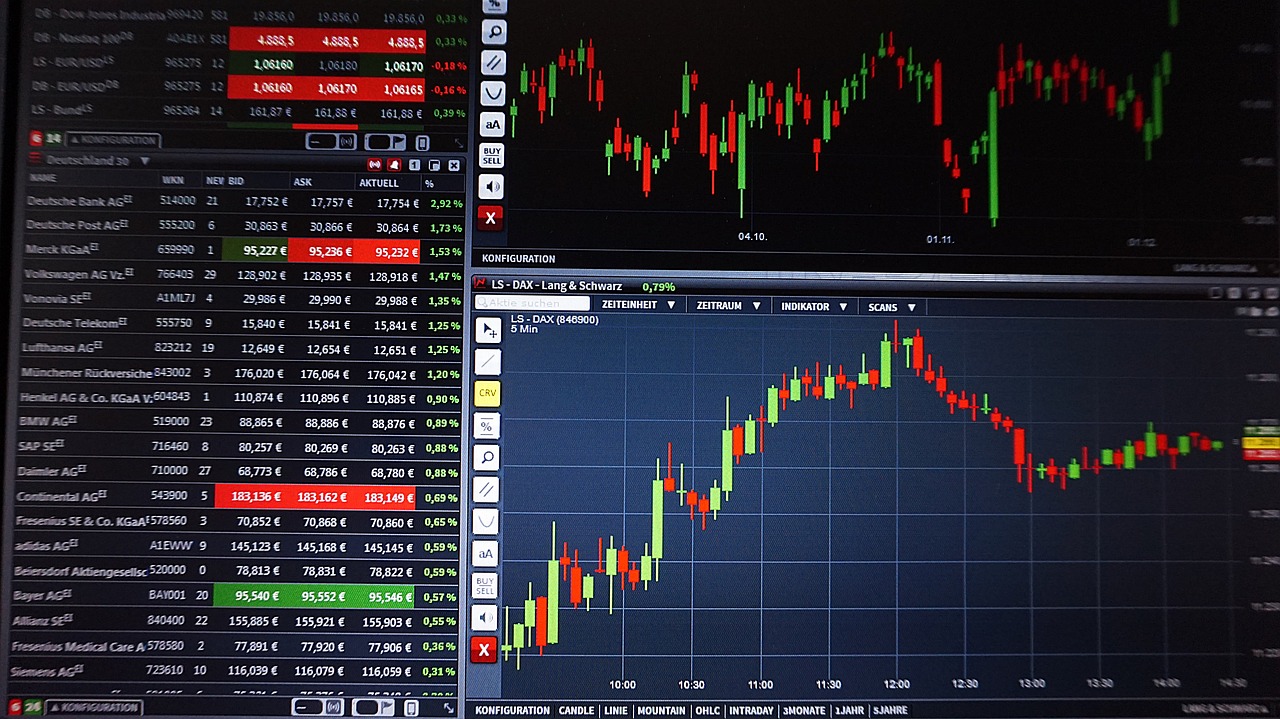
DMA 50 = Short-Term Market Emotion
DMA 200 = Long-Term Market Reality
Think of DMA 50 as the mood of the market and DMA 200 as its true direction. Short-term fluctuations may create noise, but the long-term trend reveals where the market is actually heading.
This is why professional investors rely heavily on the 200 DMA—it represents stability and long-term conviction.
Golden Cross
Occurs when DMA 50 crosses above DMA 200. This is considered a bullish signal indicating potential long-term upward movement.
Death Cross
Occurs when DMA 50 crosses below DMA 200. This signals bearish sentiment and potential downward trend.
Historically, when the 50 DMA moves significantly above the 200 DMA, stocks tend to outperform, indicating strong bullish momentum.
The relationship between DMA 50 and DMA 200 helps investors identify trend direction, entry points, and potential reversals in the market.
✔ Detect bullish or bearish signals
✔ Improve entry and exit timing
✔ Avoid false market noise
DMA 50 = What traders are doing
DMA 200 = What smart money believes
Markets are driven by two forces—short-term speculation and long-term conviction. DMA 50 reflects the actions of traders, while DMA 200 reflects the belief of institutional investors.
When both align, powerful trends are formed.
Although DMA is a powerful tool, it should never be used alone. It works best when combined with volume analysis, RSI, MACD, and fundamental analysis.
✔ Use with RSI & MACD
✔ Avoid false crossovers
✔ Focus on trend + fundamentals
DMA 50 shows the speed of the market. DMA 200 shows the direction of the market. When both align, trends become powerful.
Understanding DMA 50 vs DMA 200 transforms your approach from guessing the market to reading it with clarity and confidence.


